
How I Fed My Family of Six for About $10–$12 by Shopping My Pantry
Sustainable eating doesn’t have to be expensive
One of the biggest misconceptions about sustainable or eco-friendly eating is that you have to buy expensive organic foods, shop at specialty stores, or completely change the way your family eats.
I don’t believe that.
For me, sustainable eating starts with something much simpler:
Use what you already have.
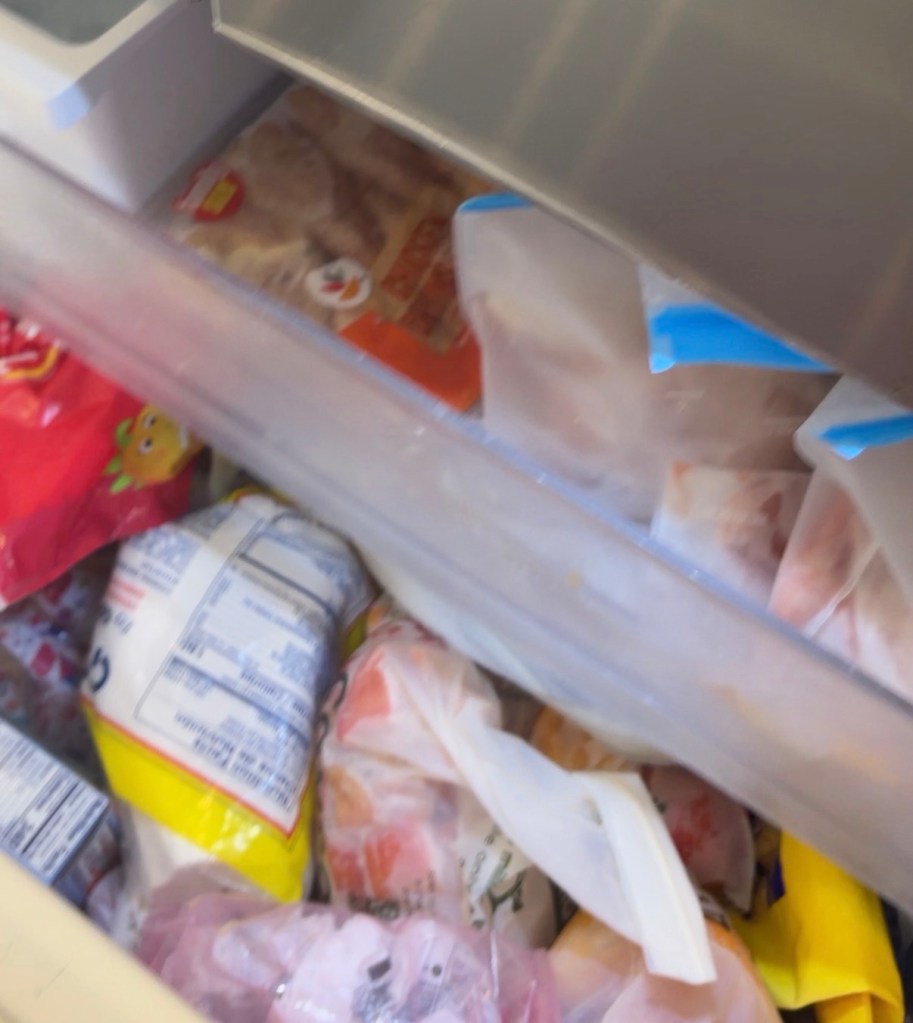
Tonight, instead of going to the grocery store because I needed to make dinner, I looked at what was already available in my pantry, freezer and garden.
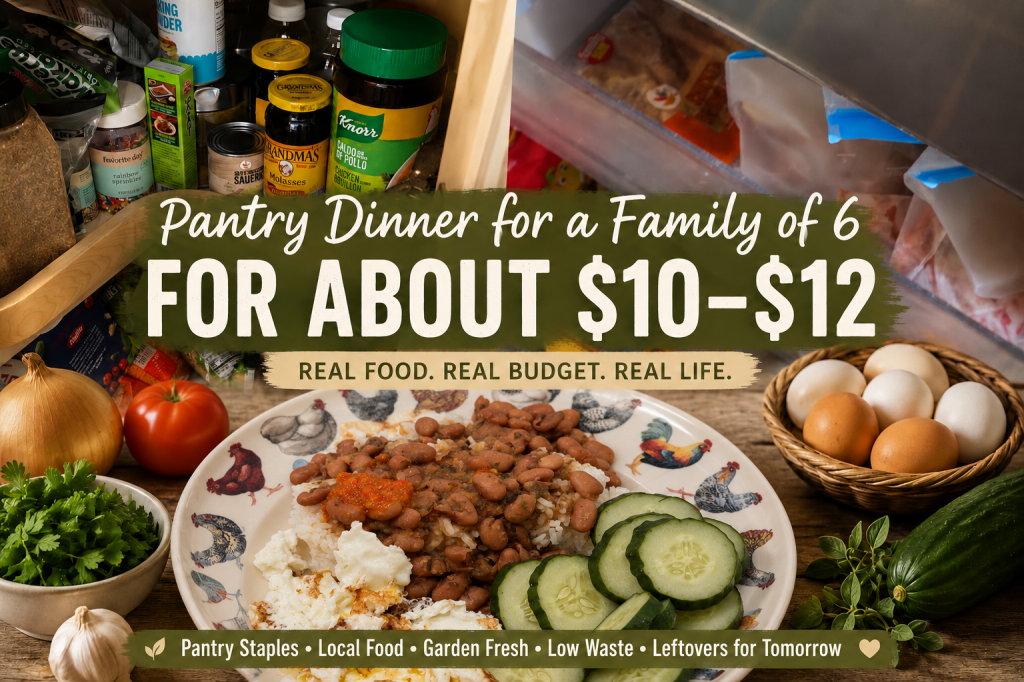
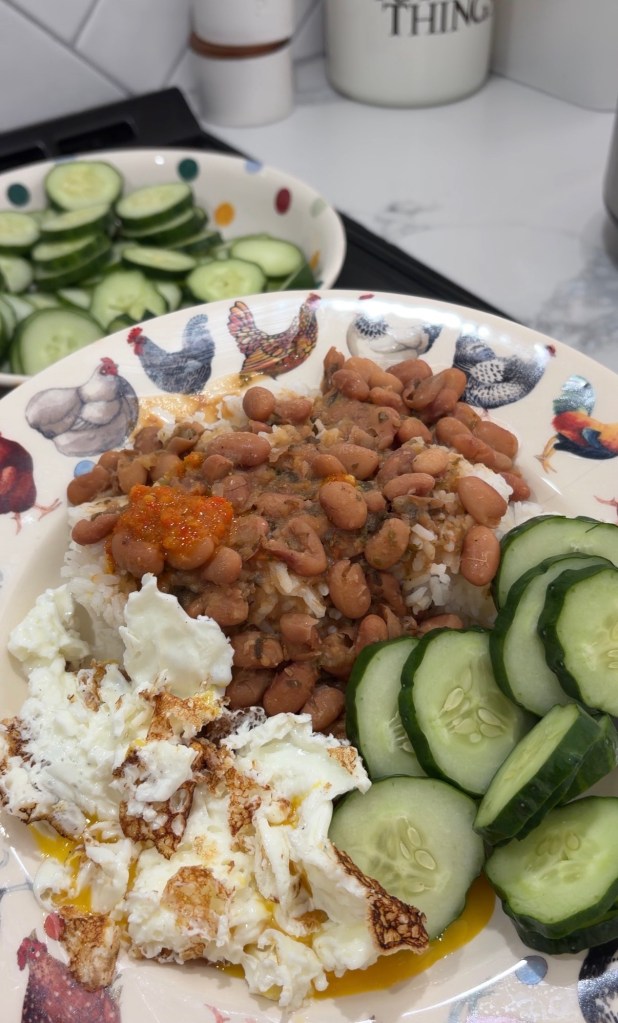
The result was a simple, filling dinner for my family of six: rice and beans, fried farm eggs, and fresh cucumbers from our garden.
The estimated cost of everything we actually used was only around $10–$12 for the entire family, and I’m hoping the rice and beans will stretch into lunch tomorrow too.
That’s the kind of sustainability I want to practice — and share.
First, I Shopped My Pantry
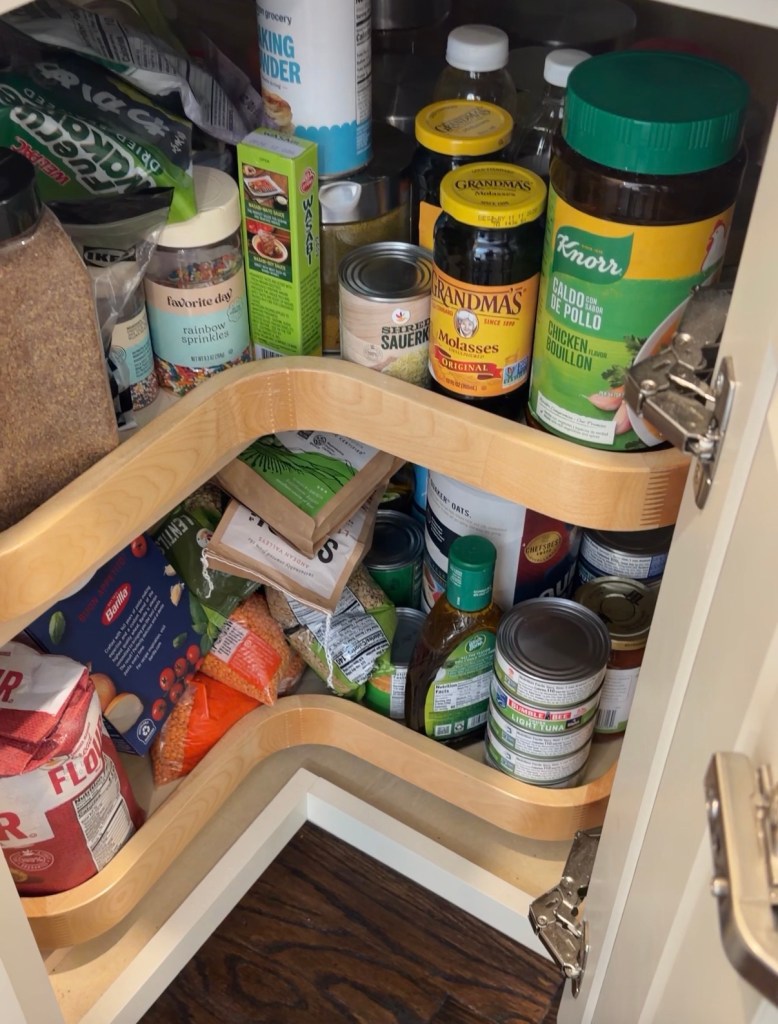
Before thinking about going to the grocery store, I looked at the staples I already had.
Rice and dried beans aren’t exciting or trendy ingredients, but that’s exactly why I love having them in my pantry.
They’re inexpensive, versatile, filling and easy to build meals around.
For the rice, I used:
● 3 cups white rice
● 1 tablespoon oil
● Salt
That’s it.
For the beans, I started with one pound of dried beans that I soaked for about five hours and then rinsed.
I put them into my Instant Pot with about 4–5 cups of water and a tablespoon of salt and pressure cooked them for approximately 20 minutes.
Once they were cooked, I removed the beans so I could build more flavor.
I sautéed:
● 1 onion
● 2 cloves garlic
● 1 tomato
● A little olive oil
● Salt and pepper
After about five minutes, I added the beans back in along with some cilantro I already had stored in my freezer, a pinch of cumin and Cuban oregano growing in my garden.
Nothing complicated and nothing purchased specifically for this recipe.
That’s important.
I wasn’t cooking a recipe and then shopping for the ingredients. I was looking at my ingredients and creating dinner from them.
That small change in thinking can make a huge difference in a grocery budget.
Local Eggs Added an Affordable Protein
Along with the rice and beans, everyone received two fried eggs.
I purchased the eggs locally from a farm for $6 per dozen.
Since there are six of us, one dozen eggs gave everyone two eggs and cost exactly $6 for tonight’s dinner.
Buying local isn’t automatically the cheapest choice every time, and I don’t think sustainable living needs to mean choosing the most expensive option.
I try to find a balance.
When buying something locally makes sense for our budget, I love supporting local food producers. When it doesn’t, I make another choice.
Sustainability has to work with the household budget or it becomes very difficult to maintain long-term.
Our Garden Became Part of Dinner Too
For our fresh vegetable, I didn’t need to buy anything.
I went outside.
We had fresh cucumbers growing in the garden, so I sliced those to serve alongside dinner.
I also used Cuban oregano from the garden to season the beans.
Of course, garden food isn’t technically “free.”
There are seeds, soil, water, supplies and time involved in growing food.
But those cucumbers and herbs represented no additional grocery spending for today’s dinner, and that’s one of the reasons I love gardening.
Even a small garden can become an extension of your pantry.
And you don’t need a huge backyard.
A few containers of herbs, tomatoes, peppers or greens can still contribute to meals during the growing season.
What Did Dinner for Six Actually Cost?
Based on the amount of each ingredient I used, I estimate this dinner cost approximately $10–$12 total.
The eggs were actually the biggest single expense at $6.
The rest consisted primarily of inexpensive pantry staples, a few vegetables and seasonings, frozen herbs and food from the garden.
That puts dinner at roughly $1.70–$2.00 per person.
And here’s where it gets even better.
We may have leftover rice and beans for tomorrow’s lunch.
Instead of looking at leftovers as something we reluctantly eat again, I look at them as part of the original meal plan.
Tonight’s dinner can help pay for tomorrow’s lunch.
That’s another way I stretch our grocery budget and reduce food waste.
My Pantry Rule: Stock Up, Don’t Over-Shop
There is a big difference between stocking your pantry and buying too much food because it’s on sale.
A sale isn’t saving you money if you buy something your family won’t eat.
My goal isn’t to have shelves overflowing with food.
My goal is to have a working pantry.
When staples we regularly use go on sale — rice, beans, pasta, canned tomatoes, flour, oats or other basics — I’ll buy a little extra.
Maybe I need one bag of rice now, but it’s a really good sale and I know we’ll use it.
I might buy two.
I don’t need ten.
That means the next time money is tighter or grocery prices are higher, there’s already food waiting in my pantry.
My basic approach is:
1. Shop your pantry first.
Before writing your grocery list, look through your pantry, refrigerator, freezer and garden.
2. Check the weekly sales.
Instead of deciding exactly what you want to eat and paying whatever those ingredients cost, look at what’s affordable that week.
3. Buy a little extra of true staples when the price is good.
Focus on foods your household regularly eats.
4. Don’t stockpile just because something is cheap.
Food waste isn’t a bargain.
5. Plan next week’s meals around this week’s smart purchases.
A sale can help stock your future pantry instead of encouraging you to spend more today.
6. Freeze, preserve and properly store what you can’t use immediately.
My cilantro in tonight’s beans is a perfect example. It was already in my freezer, ready when I needed it.
Stop Shopping for Recipes
This might be the biggest lesson from tonight’s dinner.
Sometimes we find a recipe first and then go shopping.
We need this spice, that vegetable, a particular protein and three other ingredients we don’t normally keep at home.
Suddenly, one dinner requires a $30 or $40 grocery trip.
There’s nothing wrong with cooking special recipes sometimes. I love cooking and trying different foods.
But everyday family cooking can work differently.
Start with the food. Then create the meal.
If I have rice, beans, eggs, an onion and vegetables, I already have the foundation for dinner.
Tomorrow those same ingredients could become something completely different.
Learning to cook this way gives you flexibility — and that flexibility can save money and reduce waste.
Sustainable Living Doesn’t Have to Be Perfect
I think this is important.
You don’t need to grow every vegetable.
You don’t need chickens.
You don’t need to buy everything from a farm.
You don’t need an expensive zero-waste pantry filled with matching glass containers.
And you certainly don’t need to throw away perfectly good things you already own so you can replace them with more “sustainable” versions.
Start where you are.
Use what you have.
Grow something if you can.
Buy locally when it makes sense.
Take advantage of sales without letting sales encourage you to overconsume.
Freeze leftovers and ingredients before they spoil.
Cook inexpensive staples.
And don’t be afraid to serve your family simple food.
Rice, beans, eggs and a cucumber from the garden might not look extravagant.
But it fed six people.
It used food we already had.
It supported a local farm.
It incorporated something we grew ourselves.
It created very little waste.
And it may provide tomorrow’s lunch too.
That’s what practical sustainability looks like to me.
Not perfection.
Just making thoughtful choices, one meal at a time.
— Jahzelle’s Creations
Budget-friendly • seasonal • local • lower-waste • family food


Leave a comment